
Fort Worth Economic Snapshot
Selected U.S. Census Bureau indicators for Fort Worth city.
Source: U.S. Census Bureau QuickFacts.
Fort Worth Texas Construction: Districts, Redevelopment and Projects
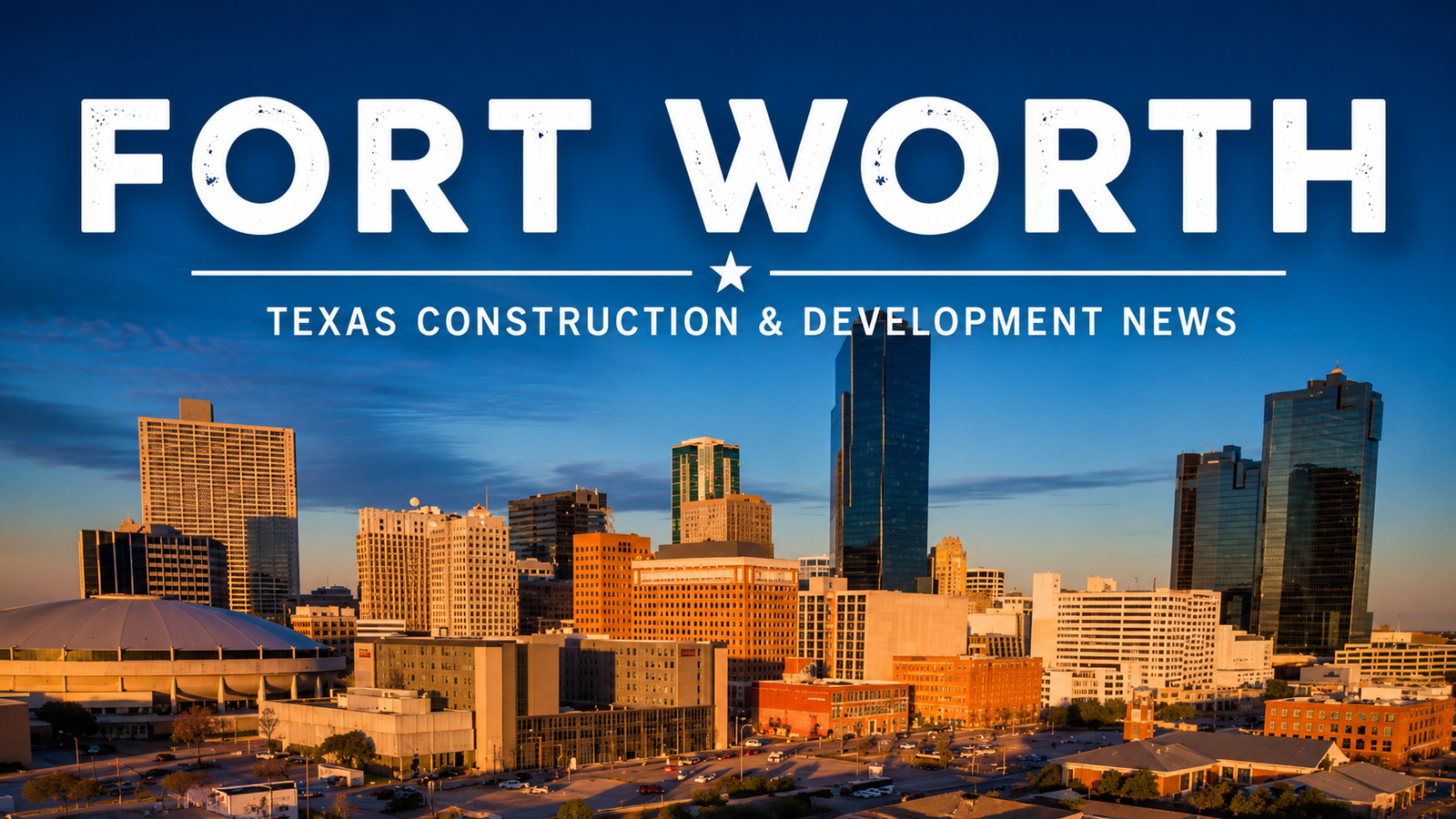
Fort Worth Texas construction has roots in the city’s role as a cattle-trading center and railroad crossroads, but its modern development map is much broader than the historic Stockyards. Downtown’s Sundance Square mixes restored commercial buildings with offices, hotels and entertainment, while the Near Southside has seen former industrial and medical-district properties adapted for restaurants, apartments and neighborhood businesses. The Stockyards, meanwhile, remain a working example of heritage preservation intersecting with tourism investment. Each district calls for a different approach to redevelopment, design and reuse.
On the city’s west side, the Cultural District brings together major museums, Ariat Arena and surrounding hospitality and residential uses. South of Downtown, the Texas Christian University area generates demand for student-oriented housing, retail and services. The emerging Texas A&M–Fort Worth campus and planned Convention Center improvements represent another kind of investment: institutional and civic projects capable of reshaping activity around Downtown. These projects matter not just for their size, but for the businesses, transportation connections and public spaces around them.
North Fort Worth has a different development story. The Alliance corridor grew around logistics, aviation, manufacturing and distribution, supported by Perot Field Fort Worth Alliance Airport and major highway connections. Farther south and east, established neighborhoods and commercial corridors often see smaller restaurant conversions, shopping-center renovations and tenant improvements instead of large greenfield campuses. Interstate 35W, Interstate 30 and Loop 820 connect these markets, but their traffic and access constraints vary widely by location. Fort Worth’s large geographic footprint makes neighborhood-level context essential.
Texas Construction Media follows Fort Worth Texas construction by connecting permits and proposed projects to specific properties, developers, tenants and surrounding districts. A restaurant fit-out in Near Southside, an industrial facility near Alliance and a renovation in the Stockyards do not carry the same local implications. Our reporting distinguishes permit applications from approved work and confirmed construction, checks whether a brand or tenant is actually identified, and explains how each development fits the city’s changing commercial landscape. The aim is to document meaningful changes rather than merely repeat a filing.
Latest Fort Worth Project
-

maman Plans First Fort Worth Café at Westbend Residences
maman plans its first Fort Worth café at Westbend Residences, a 321-apartment project along the Trinity Trails, with a 2027 opening planned.

Fort Worth at a Glance
♟ Economic Development & Incentives
Fort Worth economic development programs ↗
▥ Planning & development
City planning resources ↗
⌂ Building inspections
Permits and inspections ↗
↗ Regional coverage
ArlingtonHaltom CityMansfieldGrapevineNorth Richland HillsBurleson
Statewide coverage
Explore All Texas Cities →
Latest Fort Worth Texas Construction News
-
Range Citadel Plans 360 Apartments in North Fort Worth
-
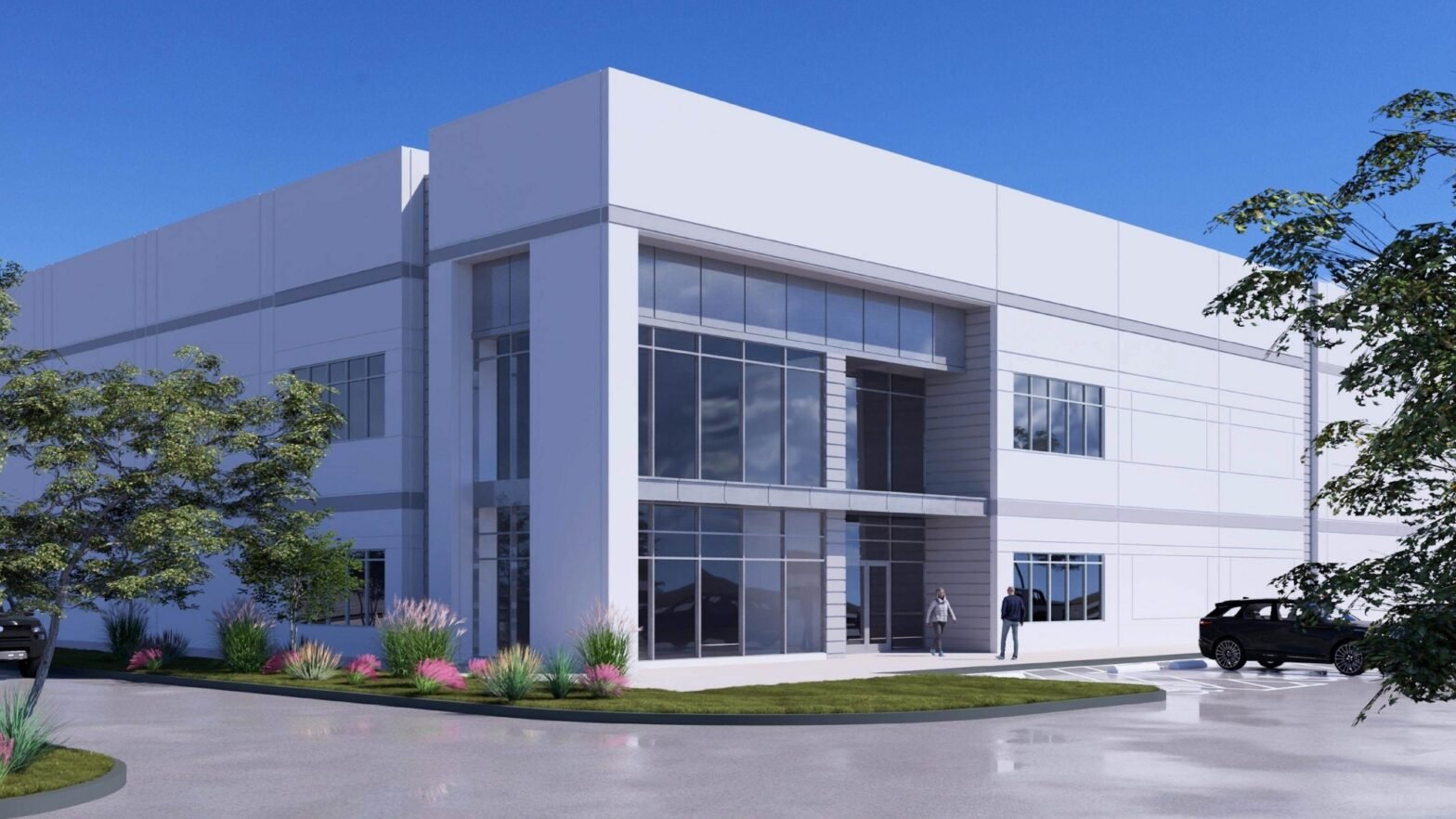
Carrier Considers New Fort Worth Manufacturing Plant
-
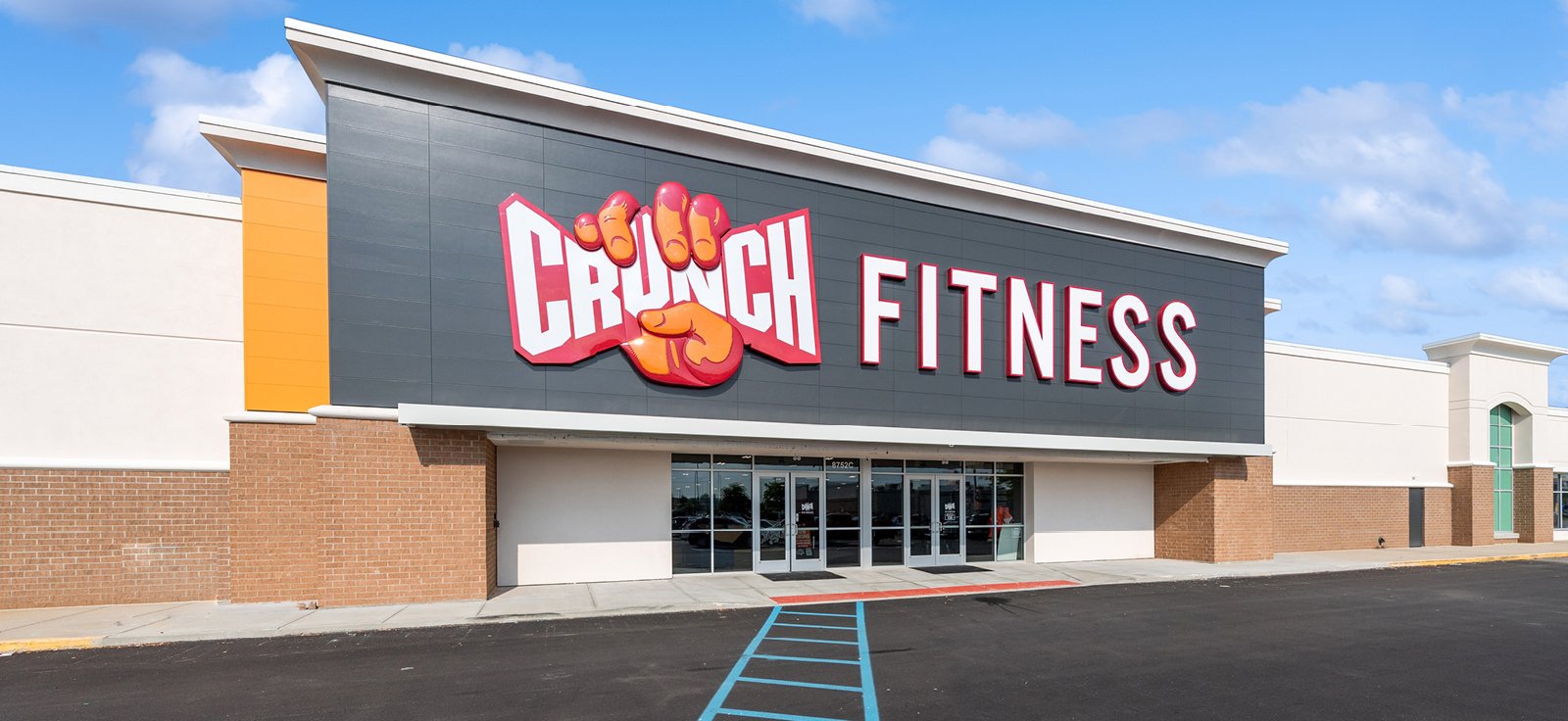
Crunch Fitness Plans New $4.8M Gym in Fort Worth
-
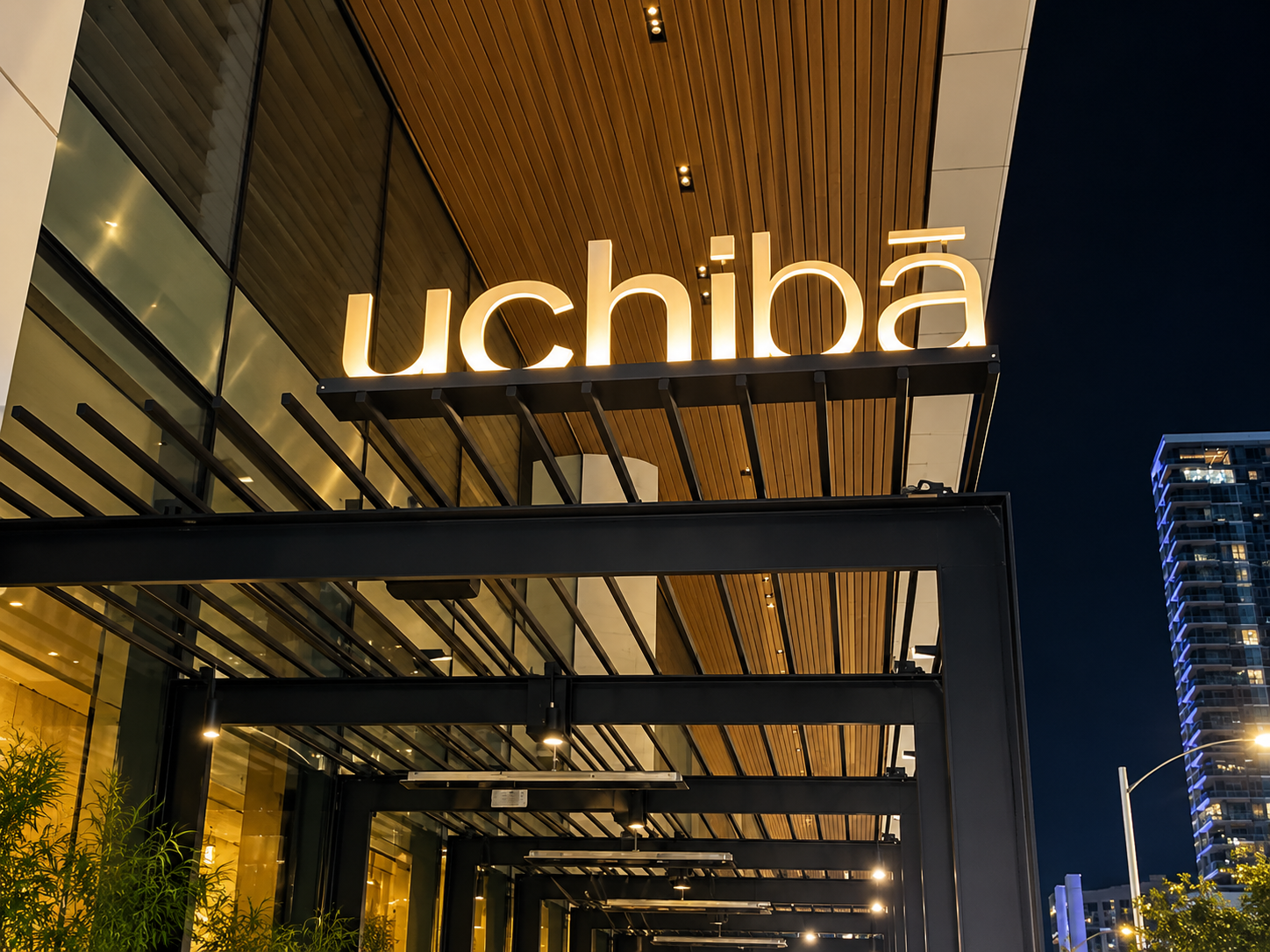
Uchiba Fort Worth Sets Bold New Debut at Clearfork
-
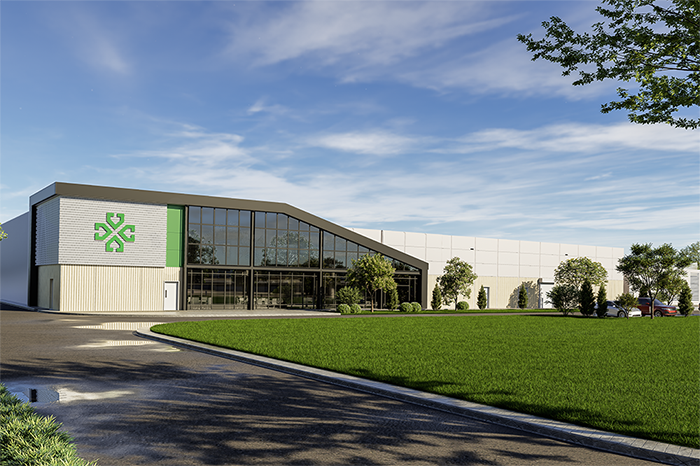
Colovore Plans Alliance Data Center in Fort Worth
-
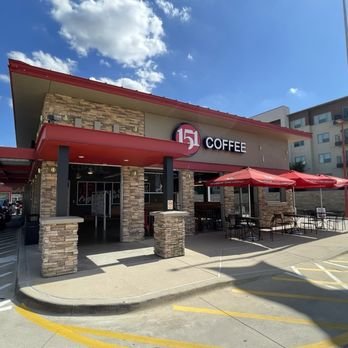
151 Coffee Plans Fort Worth Build Amid 1,000-Store Ambition
-
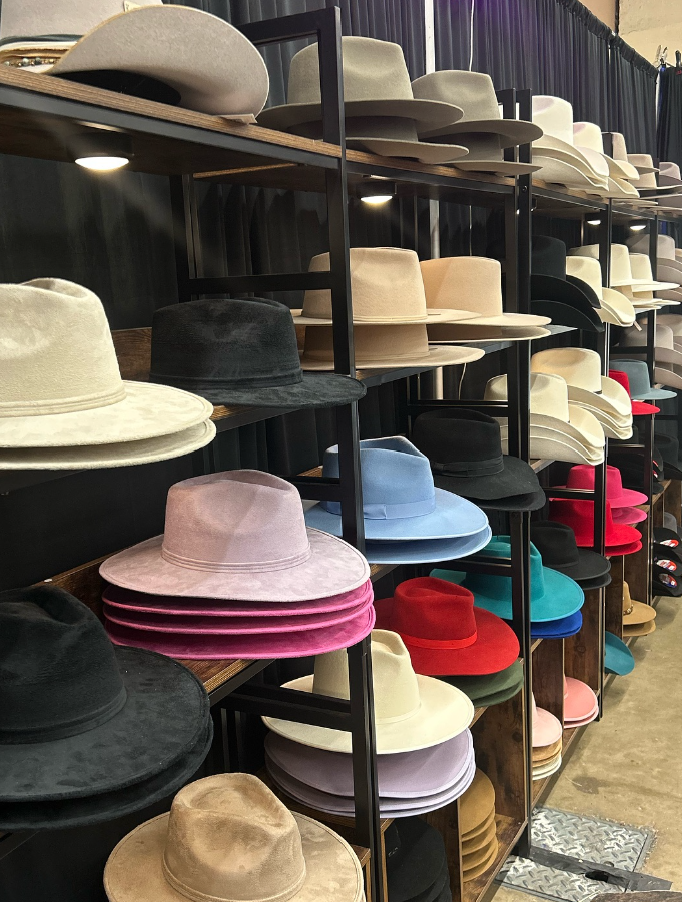
Wild Knox Bringing Custom Hat Bar to Fort Worth’s Marine Central
-
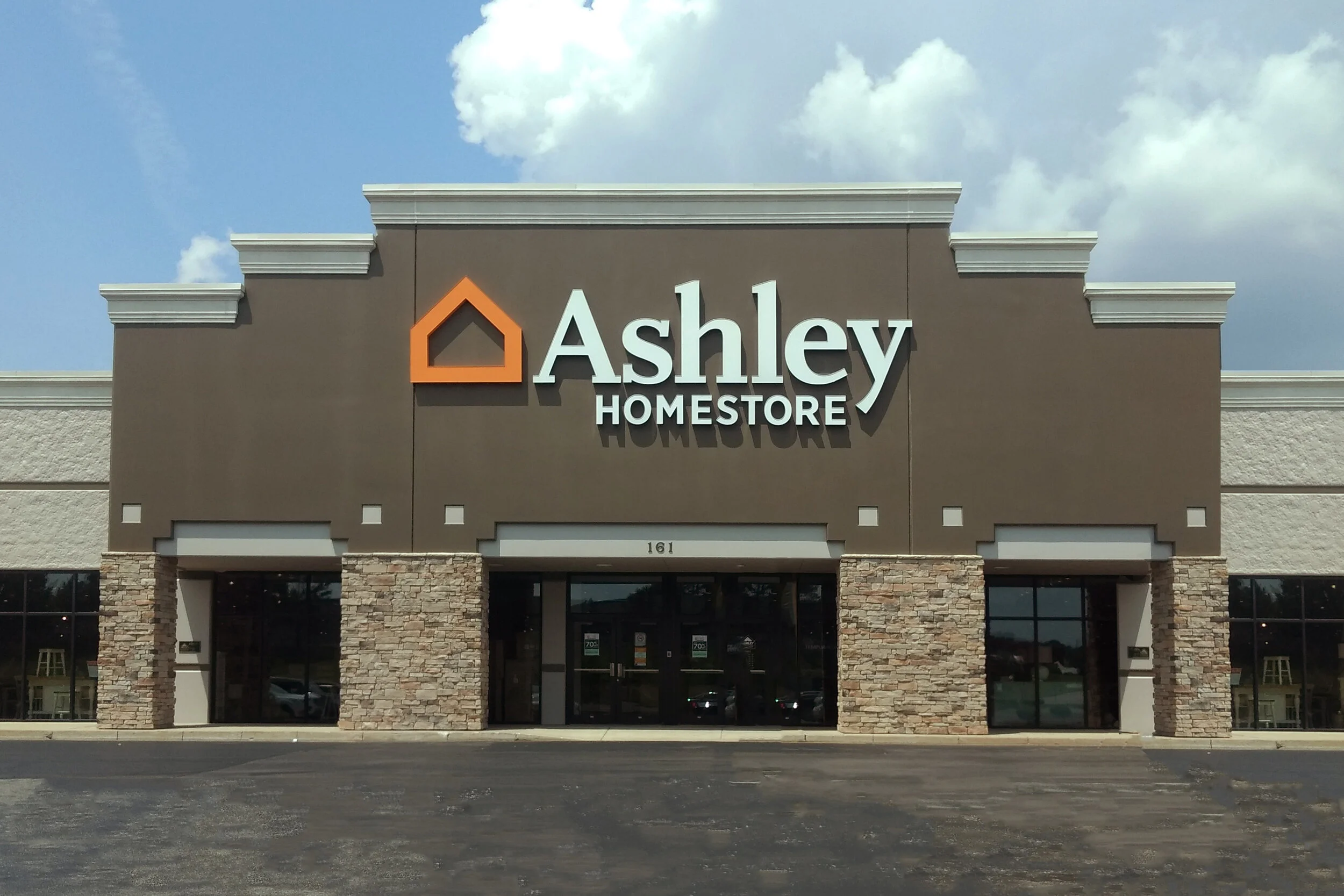
Ashley Homestore Plans a Fresh New Shopping Destination in North Fort Worth
-
Wingstop Brings Bold Flavor Plans to Oakland Boulevard


Community Construction Gallery
See construction taking shape in Fort Worth? Share a photo or project tip with Texas Construction Media. Submissions are reviewed before publication.