
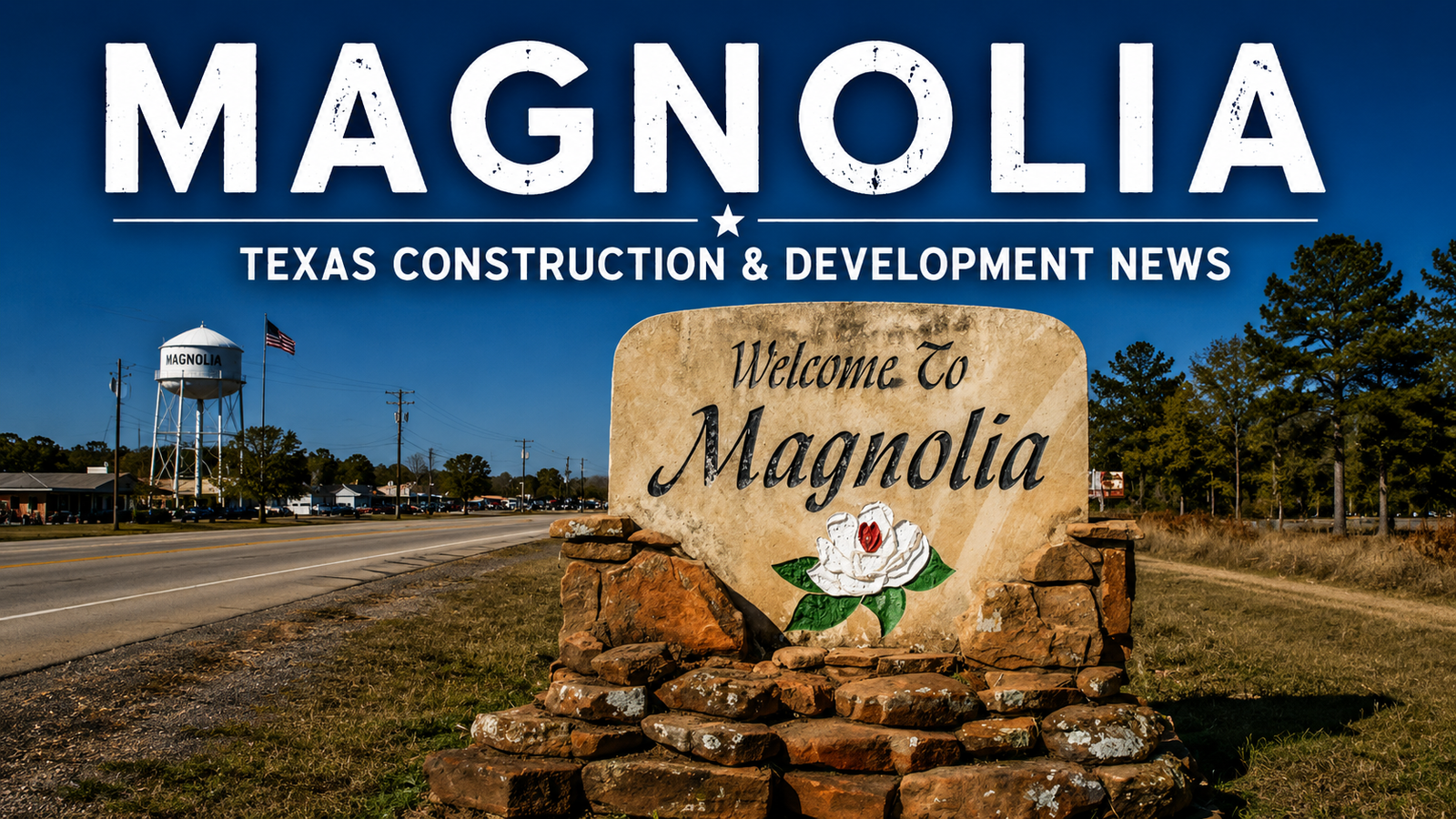
Magnolia Economic Snapshot
Selected U.S. Census Bureau indicators for Magnolia city.
Source: U.S. Census Bureau QuickFacts.
Magnolia Texas Construction: The Stroll and Highway Corridor Growth
Magnolia’s identity was formed in a landscape of pine timber, farms and rail commerce long before the Houston metropolitan area reached western Montgomery County. Originally known as Mink’s Prairie, the settlement shifted toward the railroad and developed as a local trading center. The historic depot was later moved to accommodate highway improvements, an example of how preserving a landmark sometimes requires adapting to a changing transportation network. The older town center remains distinct from the larger subdivisions and shopping centers that now use a Magnolia mailing address. That difference matters when assessing the scale and location of new development.
The Magnolia Stroll is an unusual downtown asset: a shaded, half-mile pedestrian corridor linking the former town center with Sullivan Park, the farmers market and nearby shops and restaurants. Rather than relying on a traditional courthouse square, the city has used this linear public space to connect businesses, public art and community events. Its 2026 Community Development Corporation budget includes $1.25 million for a multipurpose Commerce Street parking project intended to support Stroll-area businesses and small events, along with funding for trail, drainage and parking studies. Budget allocations and planning concepts should not be confused with completed improvements.
Outside the historic center, FM 1488, FM 1774 and the nearby SH 249 corridor carry a different development economy. New commercial centers, restaurants and service businesses respond to growth across the broader Magnolia area, much of which lies outside the incorporated city’s boundaries. Highway access helps attract regional customers, but it also makes driveway design, traffic circulation and utility service central to commercial feasibility. The city’s own economic development materials distinguish its small municipal population from the much larger surrounding trade area. A project advertised as being in Magnolia therefore requires a parcel-level jurisdiction check before city permits or population figures are applied.
Magnolia’s economic development corporations have made infrastructure a practical focus of business recruitment. Their 2025 project program identified an FM 1774 sewer extension, engineering work on a roughly 40-acre business park along FM 149 and utility connections for commercial land, while 2026 priorities include parking, property preparation and small-business improvements. These are different kinds of investments with different stages of readiness; an engineering budget or marketed business-park tract is not evidence that a tenant has begun construction. Texas Construction Media follows Magnolia Texas construction through city budgets, plats, utility plans and developer records to separate long-range opportunities from approved, funded and active work.
Latest Magnolia Project
-

The Ranch Plans a New $6.5M Volleyball Home in Magnolia
The Ranch plans a $6.5 million indoor volleyball and basketball facility in Magnolia as part of a larger sports campus along FM 1488.

Magnolia at a Glance
♟ Economic Development & Incentives
City of Magnolia economic development resources ↗
▥ Planning & development
City planning resources ↗
⌂ Building inspections
Permits and inspections ↗
↗ Regional coverage
TomballMontgomeryThe WoodlandsConroeHockleyWaller
Statewide coverage
Explore All Texas Cities →
Latest Magnolia Texas Construction News


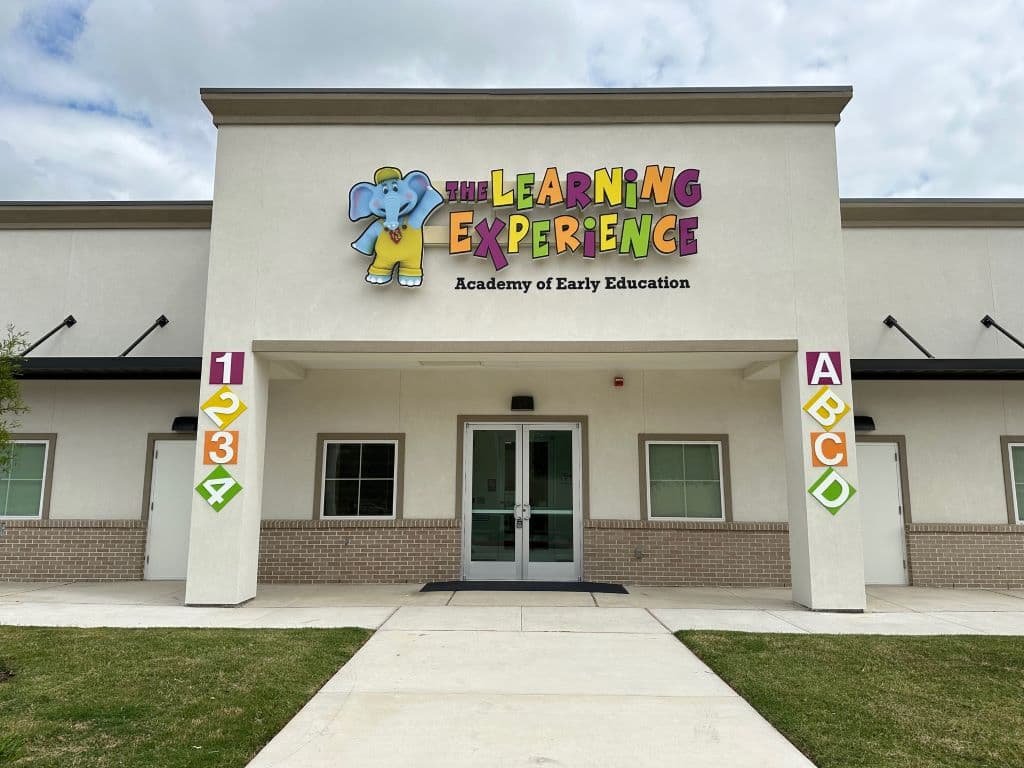

Community Construction Gallery
See construction taking shape in Magnolia? Share a photo or project tip with Texas Construction Media. Submissions are reviewed before publication.