
Haskell Economic Snapshot
Population estimate and American Community Survey indicators for Haskell city.
Source: 2025 city population estimate and ACS 2020–2024 via Census Reporter.
Haskell Texas Construction: Historic Square, Agricultural Commerce and Highway Crossroads
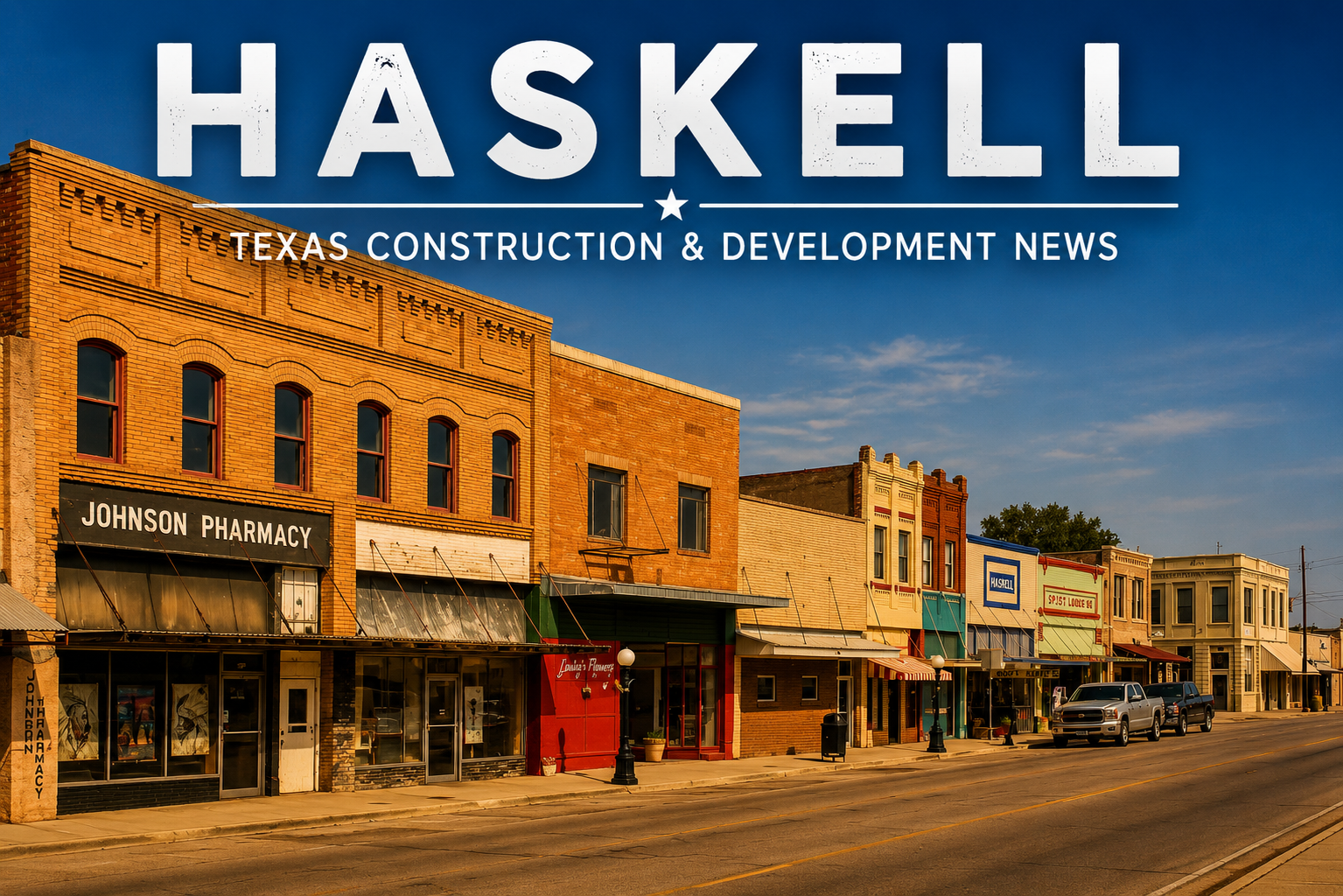
Haskell’s courthouse square reflects a town whose role as a trading center long predates modern highway commerce. Established as the Haskell County seat in 1885, the community grew around ranching, cotton farming and the arrival of rail service. Its traditional downtown still has independent merchants and older commercial buildings that can be adapted for new uses. Unlike fast-growing suburban cities, Haskell’s development challenge is often to strengthen an existing business district rather than create one from scratch. Rehabilitating a storefront near the square can support local shopping, preserve architectural character and make an established block more useful for residents and visitors.
Haskell serves a rural area far larger than its incorporated population. Haskell Memorial Hospital, local schools, county government and agricultural businesses bring patients, workers and shoppers from surrounding communities into town. Cotton fields and ranchland remain part of the local economy, so equipment suppliers, service businesses and storage facilities can be just as relevant as new restaurants. The city has adopted a Chapter 380 economic development program to consider incentives for qualifying business investment and expansion on a case-by-case basis. That policy establishes a mechanism for encouraging projects, not evidence that a particular development has been approved or funded.
U.S. Highways 277 and 380 meet in Haskell, connecting the county seat with Abilene, Wichita Falls and other West Texas communities. Those routes influence the location of fuel stops, lodging, restaurants and businesses serving agricultural traffic. The Haskell Expo Center, with its civic center, rodeo arena and livestock facilities, is another community asset tied to regional events and rural traditions. For development along these corridors, road access, parking, utility service and demand from surrounding counties may matter more than the number of households inside the city limits. The city also markets Haskell to prospective retailers using a broader trade area, which should not be confused with the city’s residential population.
Haskell’s construction story deserves to be measured by local usefulness, not only by project size. A renovated downtown business can keep commerce near the courthouse square, a healthcare improvement may reduce travel for rural patients, and a highway-oriented development could serve customers passing through the county. Texas Construction Media checks the specific property, operator, municipal records and scope of work behind each proposal. We distinguish incentives, long-range plans and filed permits from active construction and confirmed openings, explaining how investment affects Haskell and the surrounding agricultural communities.
Latest Haskell Project
-

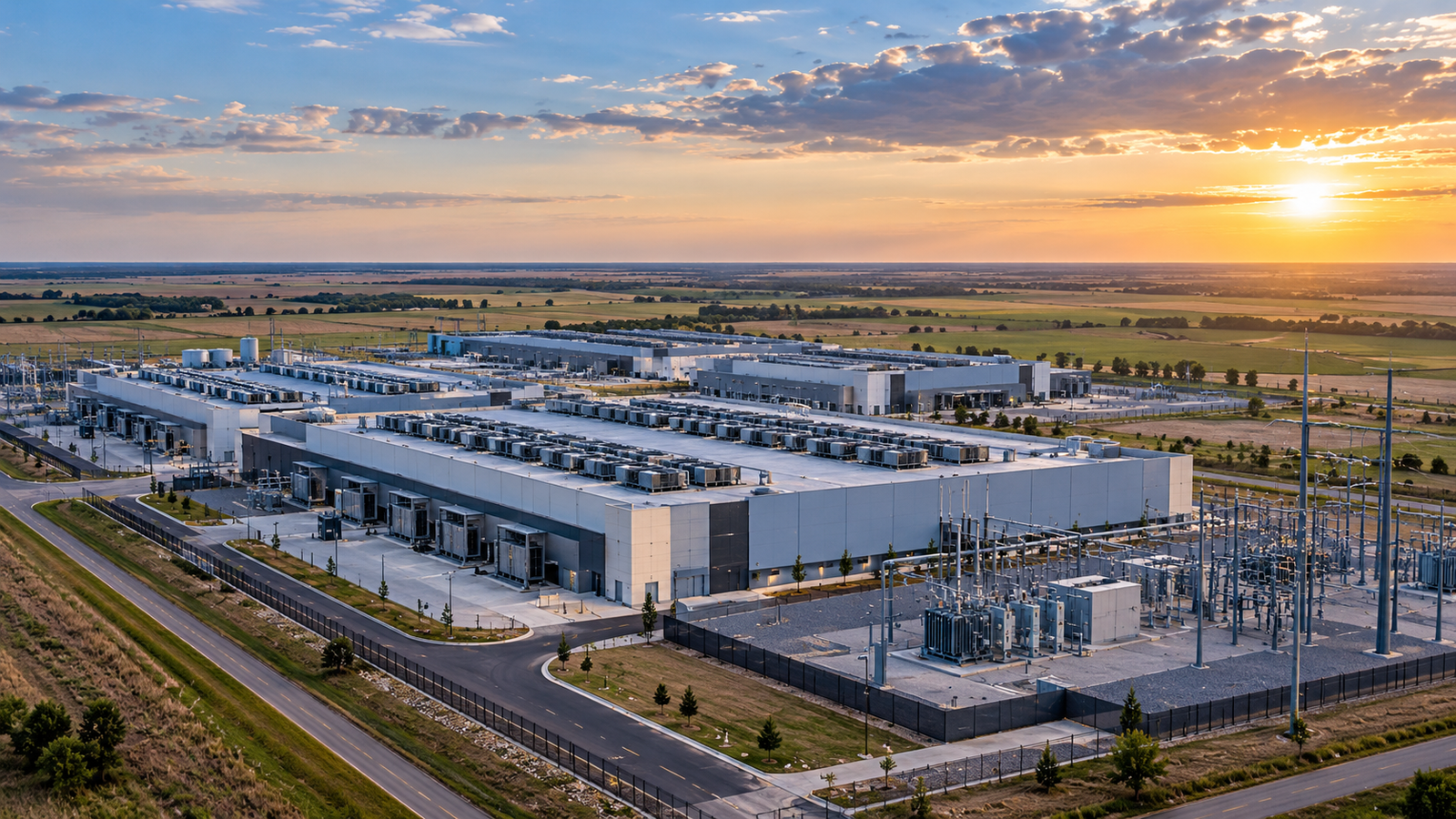
Google-Linked Data Center Campus Brings $800 Million Investment to Haskell
Two massive Google-linked data centers are taking shape in Haskell County, bringing nearly 500,000 square feet of new development and an estimated $800 million…
Haskell at a Glance
♟ Economic Development & Incentives
Haskell-area economic development resources ↗
▥ Planning & development
City planning resources ↗
⌂ Building inspections
Permits and inspections ↗
↗ Regional coverage
AbileneWichita FallsVernonChildressBrownwood
Statewide coverage
Explore All Texas Cities →
Latest Haskell Texas Construction News
Community Construction Gallery
See construction taking shape in Haskell? Share a photo or project tip with Texas Construction Media. Submissions are reviewed before publication.