
Dripping Springs Economic Snapshot
Selected U.S. Census Bureau indicators for Dripping Springs city.
Source: U.S. Census Bureau QuickFacts.
Dripping Springs Texas Construction: Mercer Street, Old Fitzhugh and Hill Country Growth
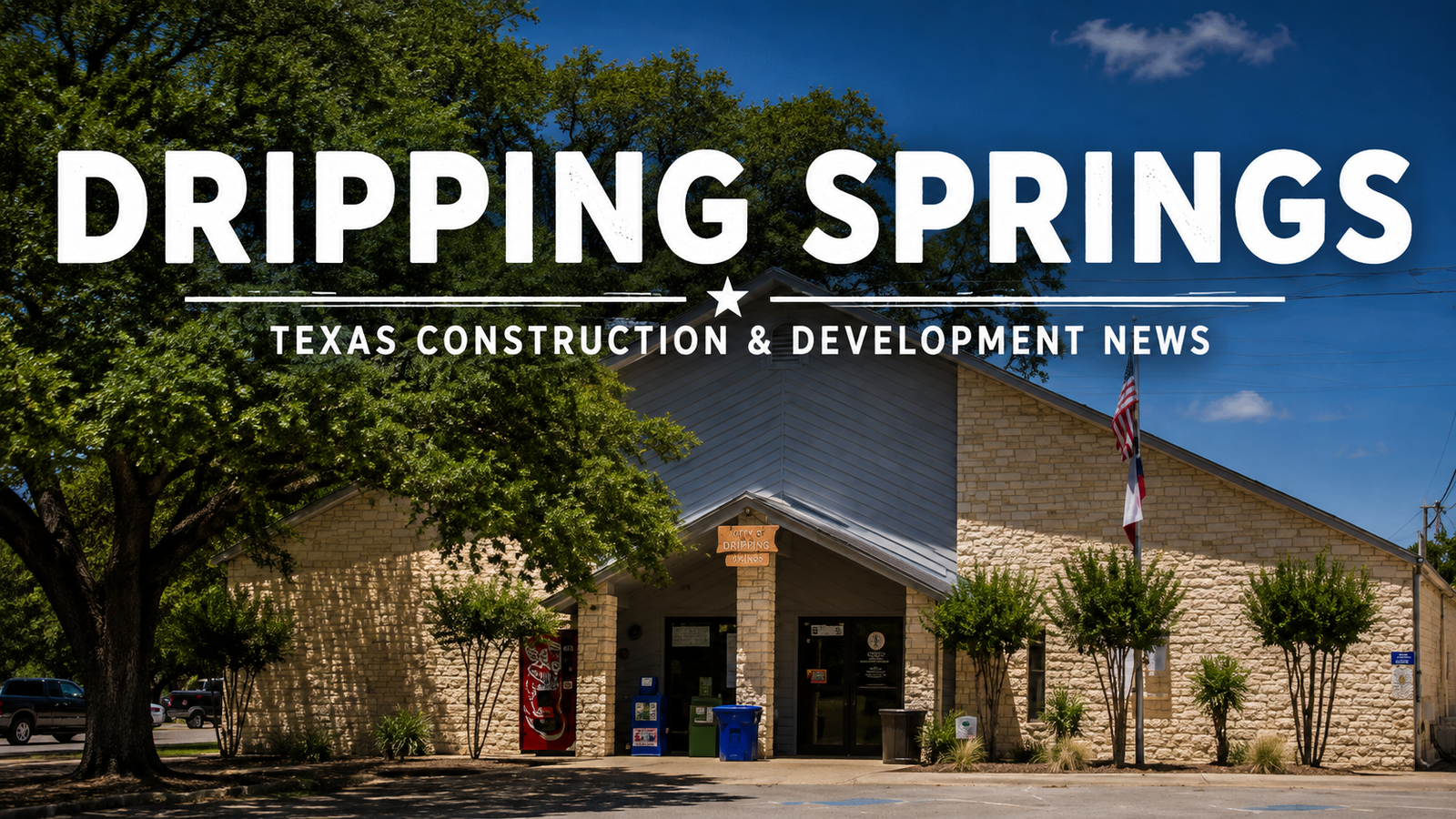
Dripping Springs faces a defining challenge: how to remain recognizably Hill Country while accommodating growth that has transformed its population and built environment. Historic Mercer Street and Old Fitzhugh Road form a small-town center of locally owned shops, gathering places and older buildings, while US 290 carries a very different landscape of new retail and residential activity. The city’s draft 2040 comprehensive plan emphasizes preservation of community character alongside housing, transportation and infrastructure choices. Downtown rehabilitation here is not simply a matter of filling storefronts; it must respect the scale, walkability and history that distinguish the place.
The work planned for Old Fitzhugh Road shows how public infrastructure can reshape a historic commercial district. Between Mercer Street and RM 12, the city has proposed road reconstruction, a shared-use path, drainage improvements, lighting, traffic calming and utility work while retaining the two-lane road and mature landscape. Nearby, the Stephenson Building at 101 Old Fitzhugh Road is being rehabilitated for community gatherings and performances, and a Mercer Street Paseo filing describes pedestrian improvements. These are distinct projects with separate scopes and schedules, but together they reveal an effort to improve access without turning the old center into another highway strip.
Beyond downtown, the US 290 and RM 12 corridors connect Dripping Springs to Austin and surrounding Hays County communities. Master-planned neighborhoods such as Headwaters and Caliterra have helped expand demand for schools, healthcare, dining and neighborhood services. Yet a Dripping Springs postal address does not necessarily mean a parcel is within city limits: portions of the surrounding area lie in the extraterritorial jurisdiction, and some subdivisions operate under development agreements. Water availability, wastewater service, drainage and transportation capacity therefore matter as much as a retailer’s interest in a site. The city’s dark-sky and scenic-character policies add another local dimension to exterior lighting and design decisions.
In Dripping Springs, the most revealing construction stories often concern the relationship between a project and the landscape around it. A restaurant along US 290 may depend on highway access and utility capacity; a Mercer Street restoration must work within a historic pedestrian district; and a subdivision amenity in the ETJ may face different review requirements from a project inside city limits. Texas Construction Media examines locations, development agreements, municipal records and business identities before describing what is planned. We distinguish a registered project or proposed completion date from confirmed construction and opening milestones, giving readers a clearer view of change in the Gateway to the Hill Country.
Latest Dripping Springs Project
-

Proper Ash Steakhouse Plans a New Chapter in Dripping Springs
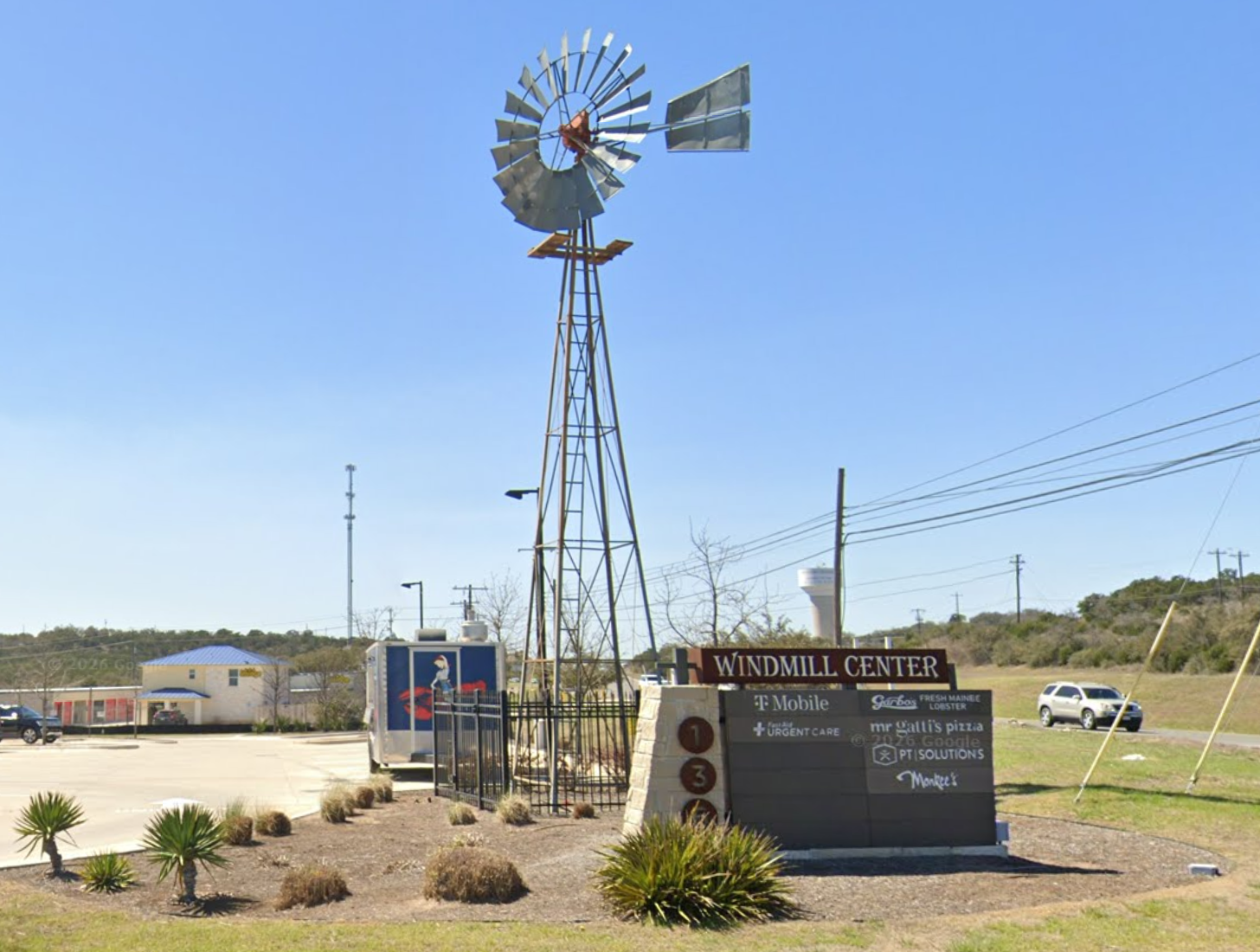
Proper Ash Steakhouse plans to adapt an existing restaurant space at Windmill Center in Dripping Springs, with work scheduled into 2027.
Dripping Springs at a Glance
♟ Economic Development & Incentives
Dripping Springs-area economic development resources ↗
▥ Planning & development
City planning resources ↗
⌂ Building inspections
Permits and inspections ↗
↗ Regional coverage
AustinBudaKyleSan MarcosCedar ParkRound Rock
Statewide coverage
Explore All Texas Cities →
Latest Dripping Springs Texas Construction News
Community Construction Gallery
See construction taking shape in Dripping Springs? Share a photo or project tip with Texas Construction Media. Submissions are reviewed before publication.