
Amarillo Botanical Gardens is planning a 4,250-square-foot fossil gallery and education building at 1400 Streit Drive, opening a new chapter for an institution rooted in living landscapes. The planned Amarillo fossil gallery would extend an educational mission that already reaches from plants and pollinators to prehistoric life.
Fossils at a botanical garden may sound like an unexpected pairing. But the Gardens has spent decades becoming a place to investigate the natural world, as well as enjoy it. A permanent gallery would add another way to spark that curiosity—and another reason for school groups and families to explore the property.
Why fossils at a botanical garden?
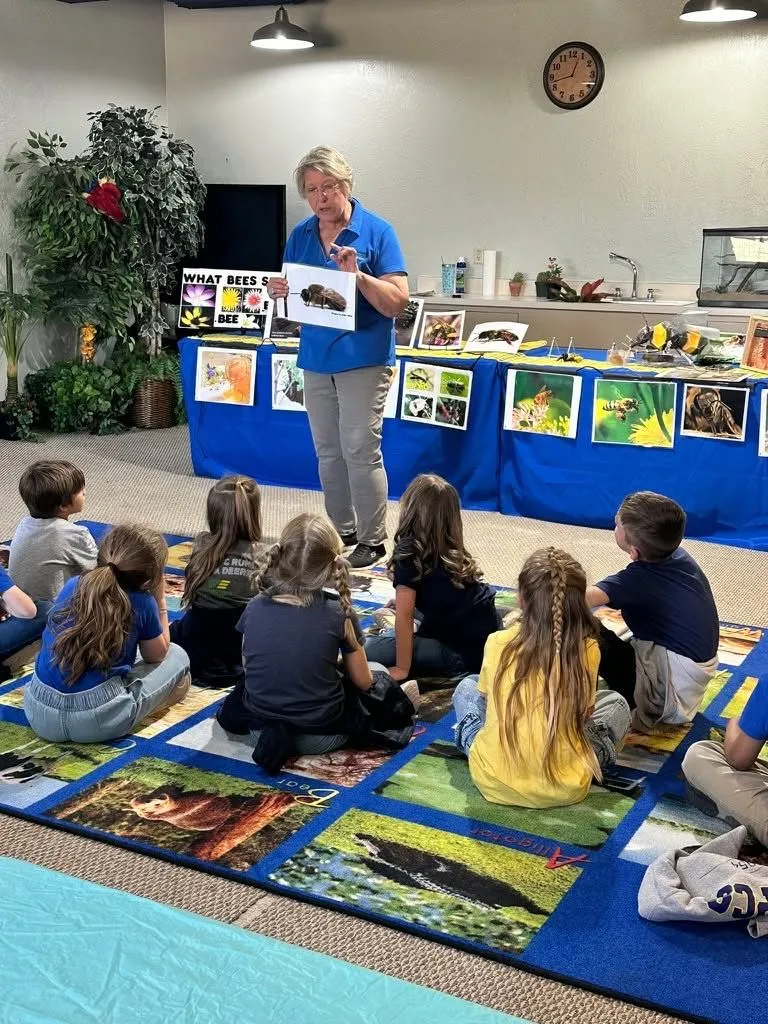
A clue appears in the Gardens’ existing school-program lineup: “Dinosaurs In Our Garden?” sits alongside classes about plants, rain forests, honeybees, butterflies and adaptation.
The organization describes programs that combine a lesson, an activity and a guided garden tour. Volunteer educators lead the sessions, which align with Texas Essential Knowledge and Skills standards. That structure connects the things students see outdoors with larger questions about nature.
The dinosaur-themed curriculum shows that prehistoric life already has a place in that teaching. It does not establish that the new gallery will house dinosaur fossils or become the home of that particular program. The project’s confirmed purpose is broader: education space and a gallery for a fossil collection.
Amarillo fossil gallery adds teaching space
The new building follows an earlier investment in dedicated learning facilities. City building records identify an approximately 1,310-square-foot Learning Center project around 2019. At 4,250 square feet, the proposed fossil gallery and education building would be more than three times that project’s size.
There is no indication that it would replace the Learning Center. Instead, the filing describes an extension of the existing Gardens, adding another facility to a campus whose public role has steadily broadened.
State registration TABS2027001802 lists an $800,000 construction estimate and Lynch Architects of Amarillo as the design firm. Its projected construction schedule runs from January 1, 2027, through June 30, 2028. Those dates concern construction; they are not an announced opening date.
Butterflies bring another layer of learning
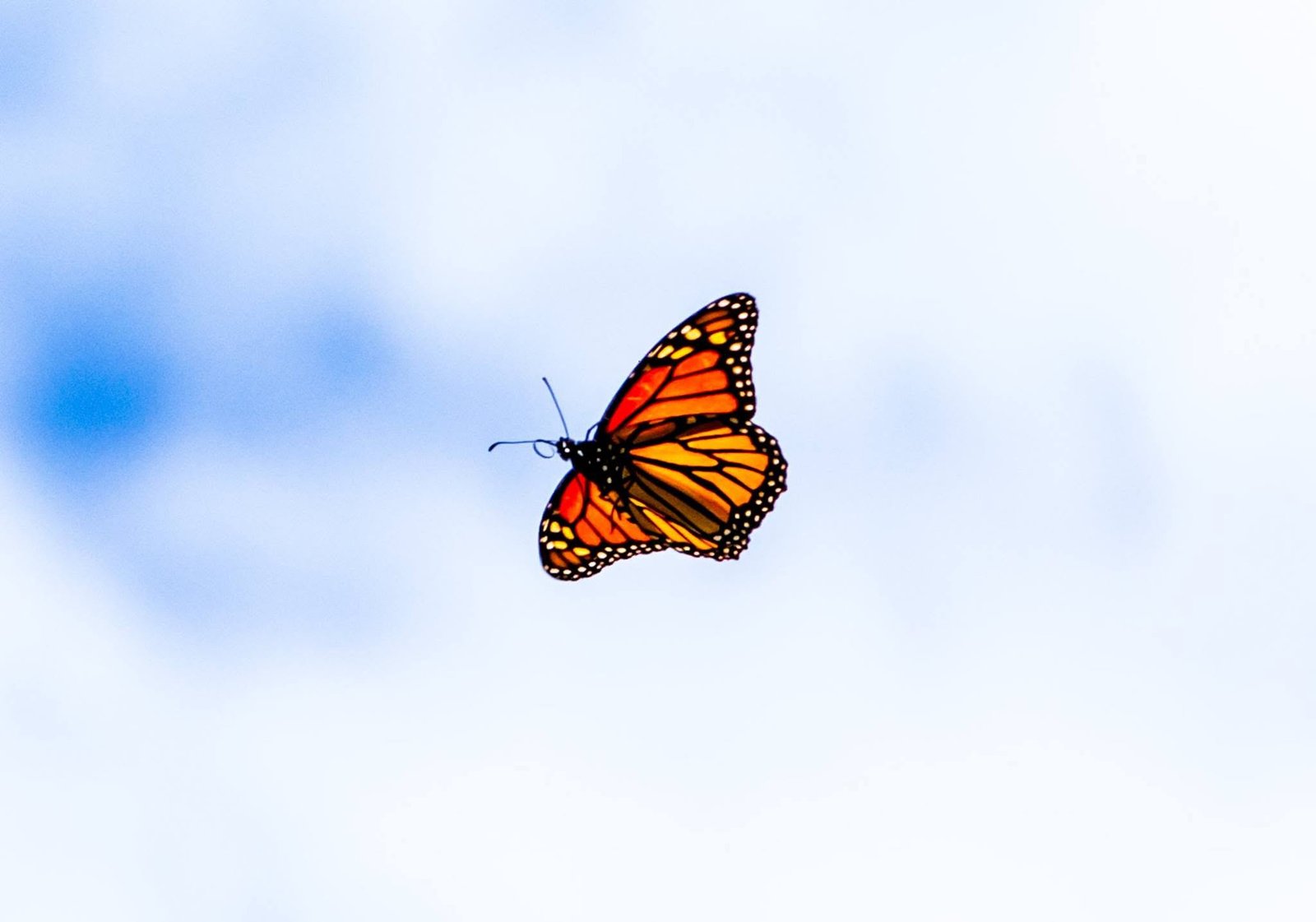
The Amarillo fossil gallery plans arrive shortly after another education-oriented addition: the John P. Connell Butterfly Sanctuary. The Gardens featured its grand opening during the September 12, 2026, Day with the Butterflies event.
The sanctuary brings native butterflies together with plants that support them. Local coverage of the opening described opportunities to learn about their life cycles, alongside the habitat itself. The event also included educational booths and a butterfly seminar.
That makes the recent sequence especially interesting: a Learning Center, a butterfly sanctuary and now a planned fossil gallery. Each adds a different setting for discovery. Together, they show repeated investment in the Gardens’ educational role, without requiring all three to belong to one formal master plan.
From a High Plains garden club to a broader destination
The organization’s history begins in 1929, when local women formed a garden club to demonstrate that gardening could succeed in the demanding High Plains environment. Wind, drought and difficult soils gave that early mission a practical challenge.
The clubs eventually created a Garden Center, then sought a larger home with room for test gardens and classes. After years of fundraising, the current Medical Center Park location was dedicated in 1968.
Later growth brought the Mary E. Bivins Tropical Conservatory, expanded buildings and broader public programming. Today, the Gardens describes approximately 4.4 acres of botanical spaces. The proposed gallery continues that long evolution from garden-club gathering place to a destination for nature, community activities and learning.
Amarillo fossil gallery could connect living landscapes with deep time
Plants offer an immediate way to understand an ecosystem: visitors can see what grows, what needs water and what attracts pollinators. Butterfly programming adds movement, life cycles and conservation to that experience.
Fossils offer a different timescale. A gallery could help visitors think about past environments and life long before the landscapes familiar today. That is the conceptual connection between botany and a fossil collection, even though the Gardens has not yet identified the exhibits it plans to present.
The surrounding area already supports that kind of curiosity. Nearby on Streit Drive, the Don Harrington Discovery Center offers hands-on science experiences. Its proximity helps place the Gardens within an established science-and-nature destination; no partnership on the fossil building has been established.
What remains unknown about the collection
Details about the collection itself—including its origin, size and specific specimens—have not yet been publicly identified in the information reviewed by TCM. Its ownership and whether it will be donated, purchased or loaned also remain unclear.
Those gaps matter. There is currently no basis to promise dinosaur skeletons, Texas Panhandle fossils or a particular geological period. Future collection details will help explain what visitors can expect from the Amarillo fossil gallery.
Nearly a century after local gardeners organized to prove plants could thrive on the High Plains, the institution they helped create is preparing to explore a story that begins long before any garden was planted. The new gallery would extend its reach from the living landscapes visitors see today toward the environments that came before them.