
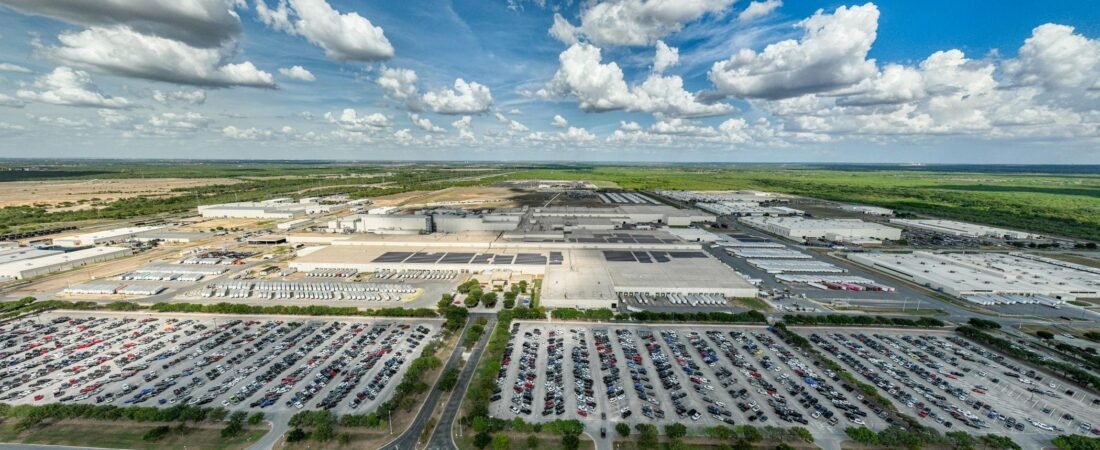
Toyota’s next chapter on San Antonio’s South Side is about much more than a larger factory. It is about bringing Tacoma assembly back to Texas, adding a second vehicle assembly line and creating room for thousands of additional workers. The Toyota San Antonio expansion now has a major new construction development to watch: $200 million in planned site preparation at the automaker’s existing campus.
Toyota announced its $3.6 billion investment in July 2026, outlining a program that would effectively double Toyota Texas by 2030. The company’s plans call for approximately 2.5 million square feet of additional space and a second line alongside the plant’s current Tundra and Sequoia operations. Toyota’s official newsroom is the source for its expansion announcements and production plans.
The newly registered site-work package brings the scale of that next building cycle into sharper focus. It covers more than 3.1 million square feet of project area at 1 Lone Star Pass—roughly 71.9 acres. However, the construction filing and Toyota’s corporate announcement describe different things, and that distinction matters.
Toyota San Antonio expansion brings Tacoma back
For San Antonio, Tacoma’s return gives the expansion a familiar name and a clear purpose. Toyota previously assembled the midsize pickup here before shifting that production away. The new investment will bring Tacoma assembly back alongside the Tundra pickup and Sequoia SUV.
The second assembly line is expected to add approximately 150,000 vehicles of annual production capacity. That would take the campus from roughly 200,000 vehicles of capacity toward approximately 350,000 a year. In practical terms, Toyota is planning room to build substantially more vehicles, not simply rearranging its existing production floor.
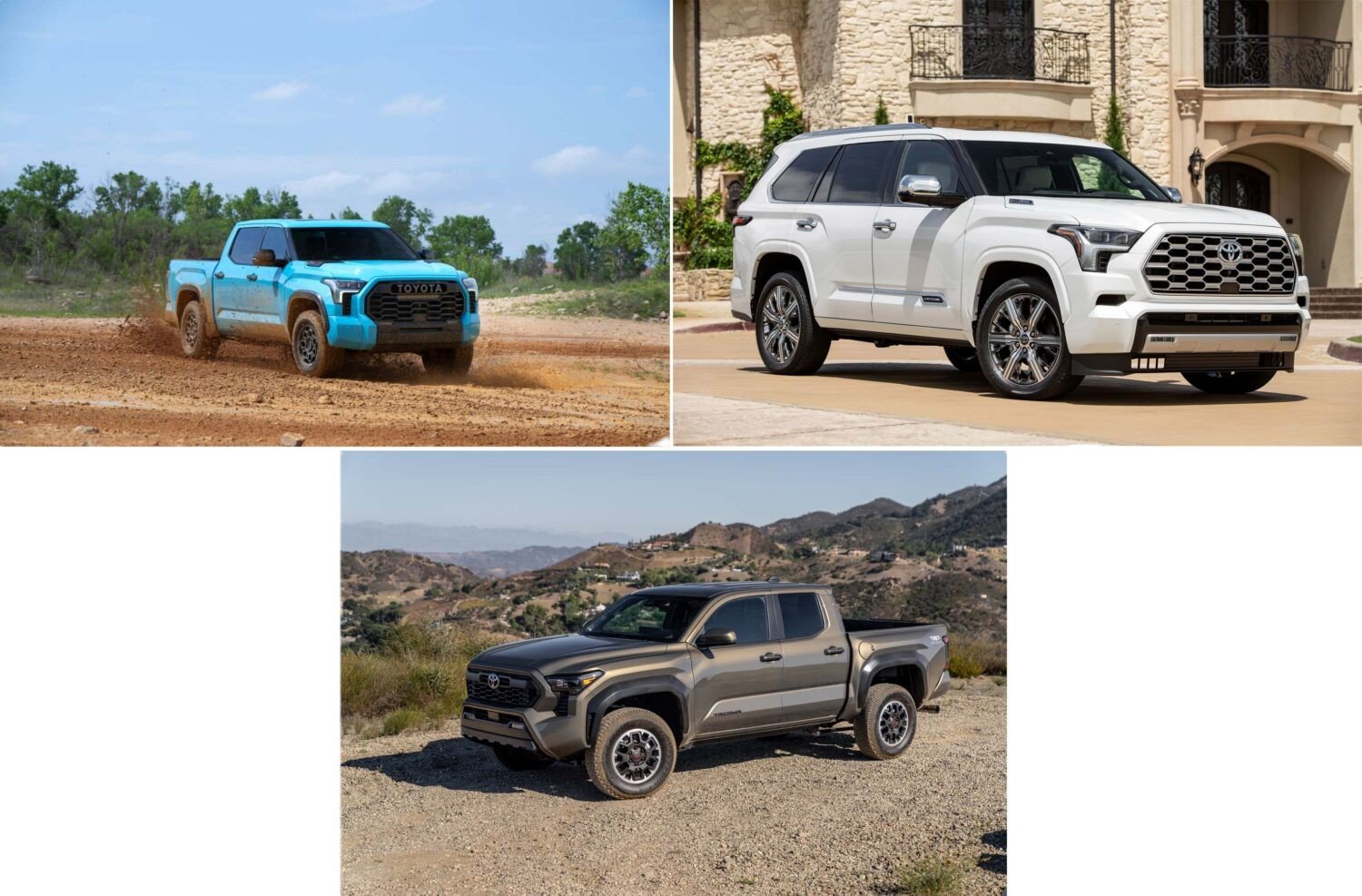
Toyota targets production startup on the new line in 2030. Capacity describes what the operation can produce; it is not a promise that the plant will build that many vehicles every year. Still, the additional line would give San Antonio a much larger role in Toyota’s truck and SUV manufacturing network.
A $200 Million Site Project Surfaces at Lone Star Pass
The latest construction registration is titled TMMTX Sitework 1. Its stated scope is site work for future building expansion, with a registered value of $200 million. The filing lists 3,131,141 square feet of project area, equivalent to approximately 71.9 acres. Readers can look up the project by name in the TDLR project database.
That figure describes the site-work project area. It is not 3.1 million square feet of new factory floor space, and it should not be added to Toyota’s announced 2.5 million-square-foot building expansion.
The filing does not explicitly identify Tacoma, a second assembly line or the $3.6 billion program. Its location, timing, scale and future-building scope align with the larger Toyota San Antonio expansion, but the document does not directly establish this package as the Tacoma-line site work.
What it does establish is major site preparation planned at Toyota’s South Side campus as the automaker advances its separately announced investment. Work is currently scheduled from December 2026 through December 2028. That is the schedule for this construction package, not a revised vehicle-production launch date.
From a $531 Million Expansion Straight Into the Next
Toyota is preparing for this much larger program while completing another substantial San Antonio investment. Its previous $531 million project added a roughly 500,000-square-foot rear-axle manufacturing operation and more than 400 jobs.
That operation is expected to begin production in late 2026 and ultimately manufacture roughly 500,000 rear axles annually for Toyota trucks and SUVs. It adds a major component-manufacturing function to a campus already known for finished vehicles.
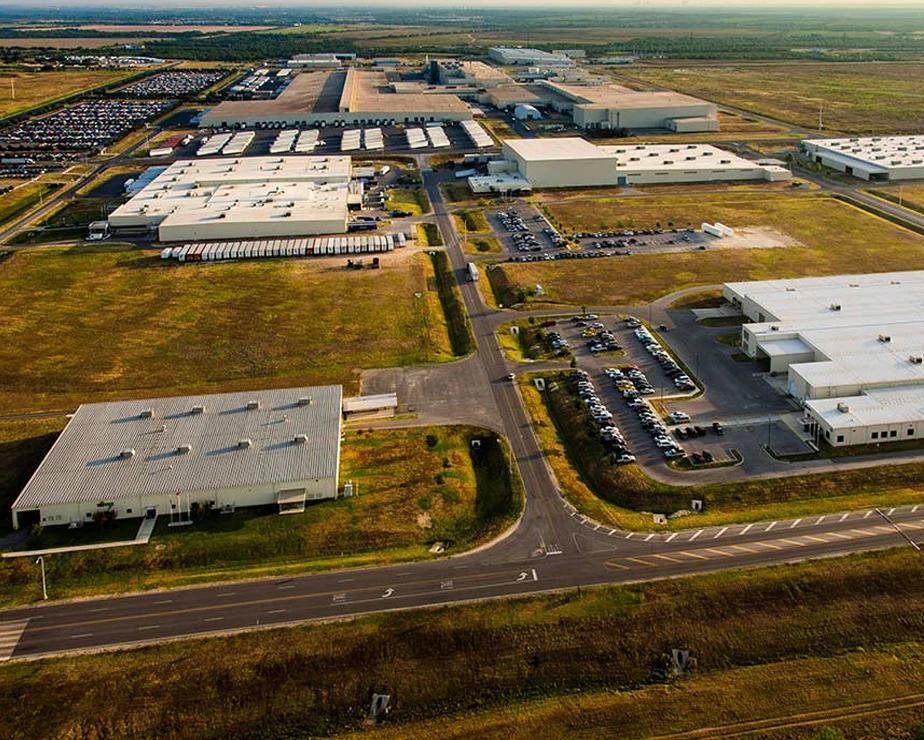
The overlap is what makes the current moment notable. One major construction cycle is approaching production while the next is taking shape at several times the investment. The $3.6 billion program represents a much larger step than the rear-axle addition, with a new assembly line, expanded buildings and a broader workforce requirement.
Other recent campus projects involving parking, pavement, fencing, lighting, trailer yards and offices show the supporting work that surrounds a manufacturing complex of this size. Those projects provide useful context, although they should not automatically be treated as components of the new assembly-line program.
Toyota San Antonio expansion adds jobs and infrastructure needs
Toyota says the new expansion will create approximately 2,000 direct Toyota jobs, eventually bringing its San Antonio workforce to roughly 6,000 team members. Those figures describe Toyota’s own employees.
The campus also has an established on-site supplier ecosystem. Supplier employees are separate from Toyota’s direct headcount, even though both groups contribute to the larger manufacturing economy surrounding the plant. Keeping those totals distinct makes the significance of the new jobs easier to understand.
Growth at this scale also reaches beyond the factory gates. San Antonio, Bexar County and Texas have approved incentives and infrastructure support associated with the expansion. Of particular importance for local development is approximately $24.5 million in road and entrance improvements around the Toyota campus.
Those improvements connect the manufacturing story to the surrounding transportation network. A larger factory and workforce require more than additional space inside the fence; access to the campus is part of the development picture, too.
Two Construction Milestones, One Much Larger Manufacturing Future
The next milestones sit on different timelines. Toyota expects the rear-axle operation to begin production in late 2026. The new site-work filing schedules work through December 2028, while the second vehicle assembly line targets production startup in 2030.
For readers following San Antonio construction and development, the Toyota San Antonio expansion is a story to follow across multiple years and construction packages. The $200 million filing is a substantial new development, but the larger change is the manufacturing future taking shape around it: Tacoma returning, more vehicles rolling out and thousands of additional Toyota workers joining the South Side campus.